
ABOUT
Thirty-One Years. One Conviction.
Men become who they are through formation, not by accident. Fr. Michael has spent three decades proving it.
ABOUT
Thirty-One Years. One Conviction.
Men become who they are through formation, not by accident. Fr. Michael has spent three decades proving it.
THE STORY
I didn't set out to build a coaching practice. I set out to be a priest.
For 31 years, that's what I was: a full-time parish priest, a pastor, a confessor. I walked alongside men in the hardest moments of their lives: divorces, deaths, identity collapses, the slow erosion of meaning that comes when a man has spent decades performing a life rather than living one. I did my undergraduate work un archetypal psychology; I was trained in pastoral counseling; I held a PhD. I knew the theology.
What I didn't know for a long time was how to help them in a language they could actually hear.
The Reckoning
At 49, I had my own reckoning. A panic attack—clinical, disorienting, and humiliating—forced me to stop and ask myself an honest question: am I living by my values, or by everyone else's expectations? The answer was uncomfortable. I had spent decades helping other men find their footing while quietly losing my own.
What followed was a rebuilding. Not a dramatic reinvention, no; it was a slow, deliberate reconstruction of how I was living. I started training seriously and I competed in bodybuilding. I studied the men's development landscape—Moore's archetypes, Aristotle's account of virtue, the patristic tradition I'd spent years in, and the best in the personal development literature—and began to see how they mapped onto each other. A psychology of masculine maturity had been there all along, written by men who understood that character is built, not given.
I started coaching men. Not as a therapist. Not as a motivational speaker. But rather as a guide, as someone with one foot in the tradition and one foot in the present, who can move easily between the two and speak the language of both worlds.
What I Do Now
Avg2Alpha is the formal expression of that work. Through the Forging Your Future program, the Fire & Iron podcast, and an expanding set of speaking engagements and retreats, I help men develop the internal architecture that external achievement can't provide. Clarity about who they are and what they're for. Discipline that comes from conviction rather than compulsion. And ultimately, the freedom that follows from both.
The work draws on a lot of sources—classical philosophy, the Church Fathers, Robert Moore, three decades of one-on-one pastoral experience, and a surprising number of lessons learned under a barbell. None of it is particularly complicated, but most of it is hard. That's the point.
Background
Credentials
Archetypal Psychology
BA in Archetypal Psychology. The study of how deep patterns of behavior, personality, and masculine development shape a man's life, and how those patterns can be worked with rather than merely endured.
Church History & Patristics
PhD in Church History and Patristics. Research-level expertise in the historical Christianity and Patristic Tradition, which means that when the Christian tradition is invoked in the work, it's done accurately and used honestly.
Men's Formation Work
Four decades engaged with men's formation across multiple traditions, mythopoetic, classical, and Christian, as student, practitioner, and guide. My work draws on all of it without being captive to any one of them.
Pastoral Experience
31 years of pastoral counseling and men's ministry. Not theoretical hours, real formation work, in real parishes, with real men navigating the full range of the adult masculine experience.
Embodied Discipline
What the Gym Has to Do With It
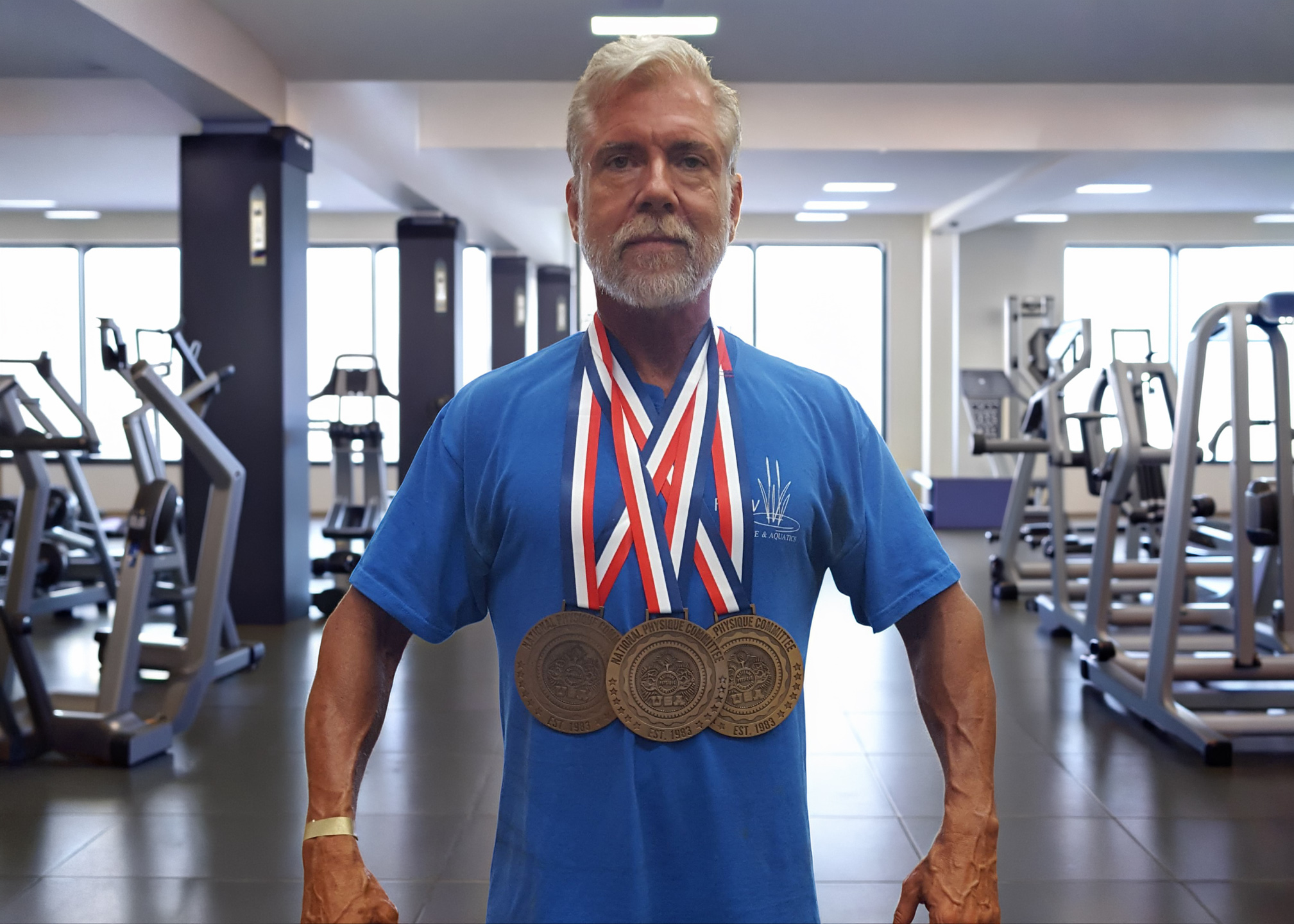
I started training seriously at 53. Over a decade, I competed in twelve state level shows (winning five class championships) and once on the national stage, I'm still in the gym at least five days a week. I don't compete anymore, but I do judge state local competitions. I mention this not to impress, but because embodied discipline matters. A man who coaches other men on physical stewardship ought to be doing the work himself. I live what I teach.
Ready to Begin?